Work
In our projects we design concrete yet bold solutions that are vehicles for social change. We work in a wide range of domains, from mental health to restoring biodiversity and everything in between.


Currently working on
Some of the projects we are working on right now.
.jpg?key=sm)
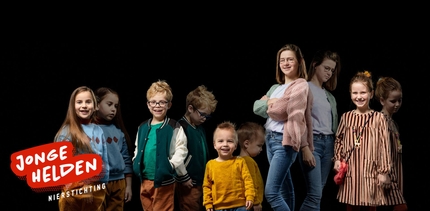
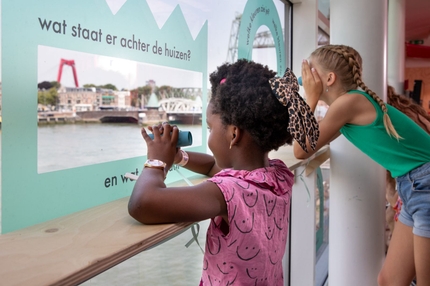
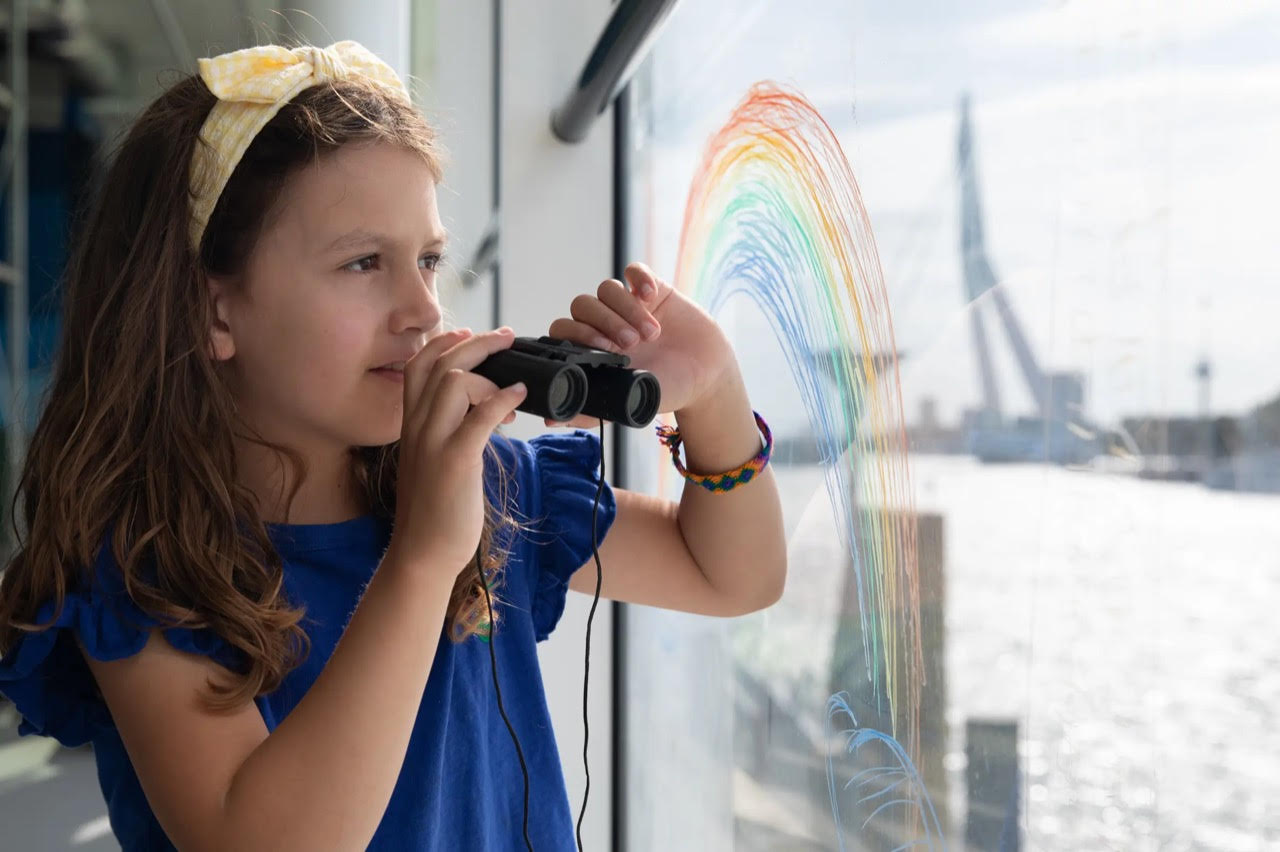
Co Creating the City as a Classroom
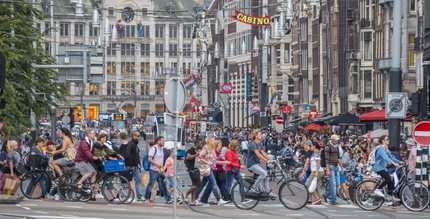
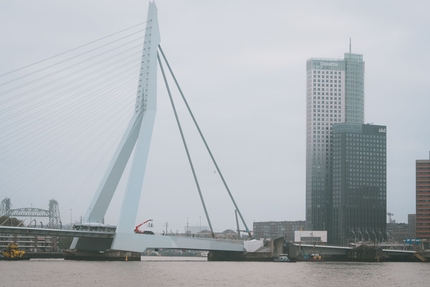
Together with Stichting De Verre Bergen, we are working on The City as a Classroom, an innovative learning pathway in which primary school pupils in Rotterdam gain new experiences in their own city in a playful and educational way.
In co-creation with children, teachers, cultural institutions, and city partners, we develop teaching materials that align with the curriculum, are practically applicable, and offer meaningful experiences. By playing, exploring, and experimenting in their own city, children develop into curious and engaged Rotterdammers.
photograph by Hester Blankestijn

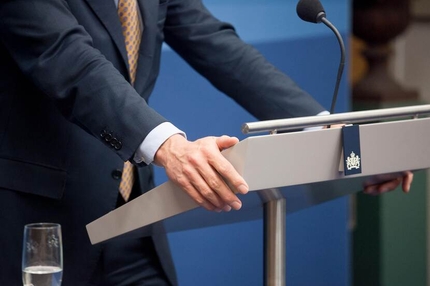
Designing a New Water System
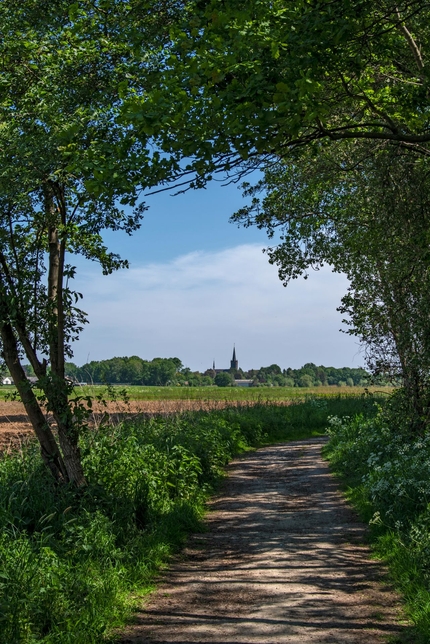
The future of Hollands Noorderkwartier is marked by profound change. Water-system challenges are becoming increasingly intertwined with other societal transitions, such as the energy transition, freshwater availability, and the use of resources. This growing interconnection raises the question of how HHNK can continue to fulfil its public duty in the future, and how it can further develop and deploy its adaptive capacity to remain relevant to society in the long term (2050+).
In collaboration with HHNK, we are developing a concept and a vision for the future water system of Hollands Noorderkwartier in 2050 and beyond. The focus is on ensuring social and ecological justice in an uncertain future shaped by diverging and sometimes opposing dynamics.

Rethinking Diagnostics for Young People
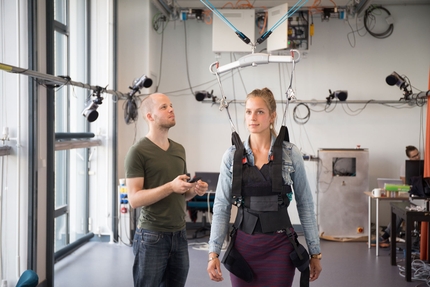
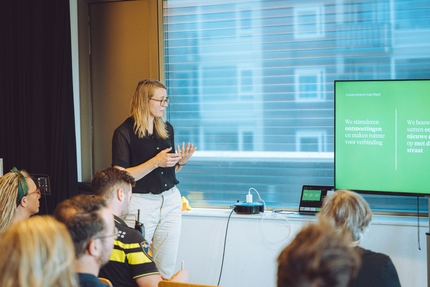
This design research project focuses on renewing diagnostic practices in child and adolescent psychiatry. Rather than centering on fixed DSM labels, it focuses on the patterns in which young people become stuck, such as recurring interactions between behavior, relationships, and their environment. Together with young people, parents, and healthcare professionals, we develop alternative forms of diagnosis that better align with young people’s lived experiences and everyday clinical practice.
Building on the Patterns of Life model, the project explores how diagnostic processes can foster understanding, reduce stigma, and expand agency. Through research, user experience, co-creation and prototyping, we design and test concrete diagnostic processes and tools. At the same time, we investigate how design can support the adoption of new ways of thinking within a complex mental healthcare system.

Reframing Studio is an independent innovation agency with over 25 years of experience.